


Ultra-high-molecular-weight polyethylene (UHMWPE) and aramid fibers are two of the most widely used fiber materials in the industry, yet they are not interchangeable. This guide breaks down the differences between the two materials to help you select the optimal fiber for your specific manufacturing processes.
UHMWPE Fibers
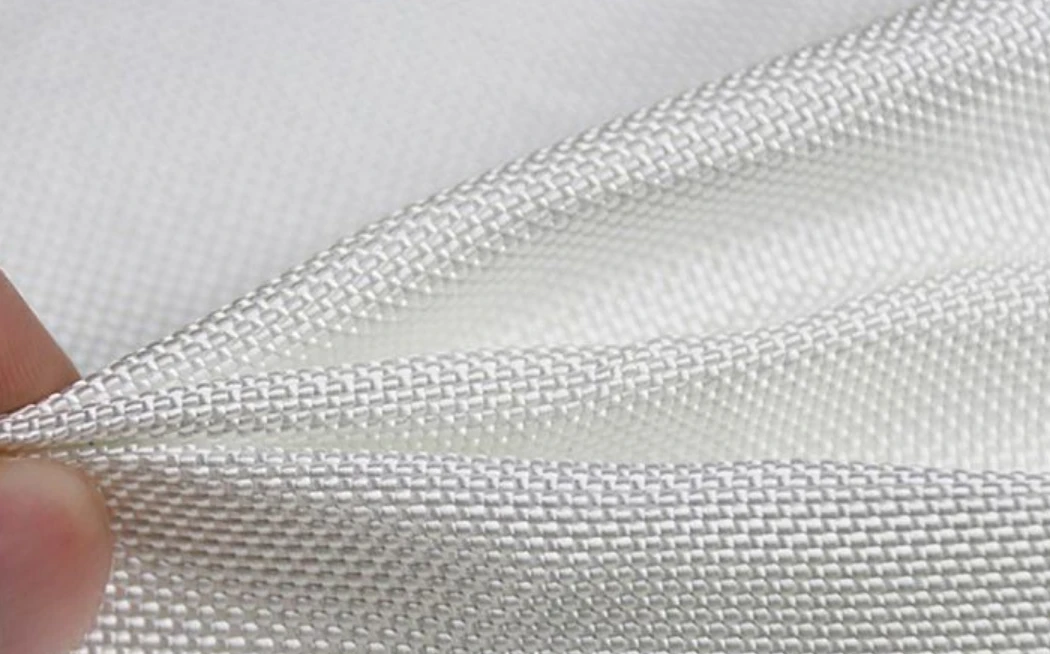
UHMWPE is produced via gel spinning and composed of extremely long polyethylene molecular chains. Multiple manufacturers produce UHMWPE, with Spectra and Dyneema being the most renowned brands. Its exceptional tensile strength and durability make it an ideal material for a vast range of applications.
UHMWPE boasts versatile performance and finds adoption across numerous industrial sectors. Its mainstream applications include:
Military and ballistic protection gear such as bulletproof vests and armor panels
Recreational activities including skiing, boating and fishing
Critical infrastructure construction
Ropes and cables
Mineral processing and mining equipment
General manufacturing
Aramid Fibers
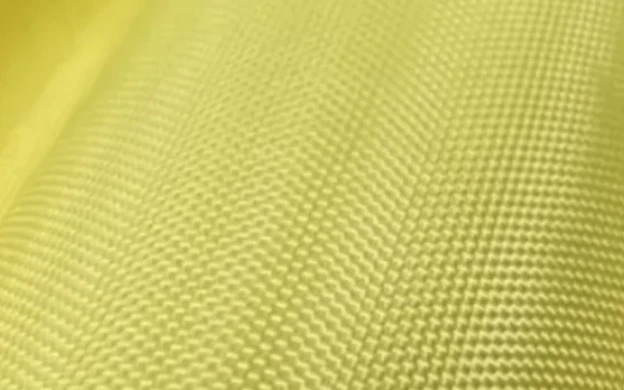
Aramid fibers are synthetic fibers featuring a molecular structure with extensive interchain bonds cross-linked via hydrogen bonds. This dense bonding structure greatly elevates material performance, delivering fibers with outstanding durability and versatility suitable for a broad spectrum of fields.
Aramid fibers serve multiple industries, covering optical fiber components, protective apparel and equipment, ballistic defense products, as well as automotive seatbelts and hoses. The strong bonding formed during production grants aramid exceptional toughness, rendering it perfect for heavy-duty industrial applications. Additionally, its elasticity and pliability make woven Kevlar the premium fiber material for wearable products.
While both UHMWPE and aramid fibers are celebrated for outstanding tensile strength and comprehensive performance, they feature distinct inherent differences. Understanding these property variations enables you to pick the right material for custom applications. The following sections elaborate on the key disparities between UHMWPE and aramid fibers to support targeted material selection.
Overall Tensile Strength
Benefiting from their bonded manufacturing processes and advanced fiber technology, both aramid and UHMWPE deliver remarkable tensile strength. Statistically, aramid fibers are approximately seven times stronger than steel, whereas UHMWPE reaches fifteen times steel's strength, earning it the reputation of the world's strongest fiber.
Energy Absorption Capacity
Both fibers possess impressive tensile strength to withstand heavy impact loads. Studies confirm UHMWPE alone can resist threats such as gunshots and improvised explosive devices (IEDs). Nevertheless, ballistic testing proves aramid outperforms UHMWPE in overall energy absorption performance.
Abrasion Resistance
Despite comparable tensile strength and impact absorption capacity, the two materials show stark gaps in abrasion resistance. Side-by-side comparison reveals UHMWPE is significantly softer and smoother than aramid fibers. This textural advantage grants UHMWPE superior cut and wear resistance, making it a top choice for the food processing industry.
Long-Term Durability
In terms of comprehensive service life, both UHMWPE and aramid outperform conventional industrial fibers by a large margin. However, UHMWPE fibers from brands like Spectra and Dyneema deliver five times higher tear resistance than Kevlar aramid fibers - even when using half the volume of synthetic material. This superior anti-tear property gives UHMWPE an edge in preventing crack propagation and material rupture.
Heat Resistance & Thermal Conductivity
For industrial webbing deployed in high-temperature environments, UHMWPE delivers cooler, more comfortable wearability. On the contrary, aramid fibers perform better under low-temperature conditions; its excellent thermal insulation makes it ideal for cold operating scenarios.
Moisture Resistance
UHMWPE is a waterproof material that does not gain weight by absorbing liquid moisture. This moisture-repellent property suits it perfectly for damp or wet environments, even for manufacturing tents and backpacks. In contrast, aramid fibers can absorb up to 3.5% moisture by weight, leading to compromised performance in humid conditions.
UV Resistance
UV resistance is critical to extending the service life of heavy-duty fibers, especially those exposed to prolonged sunlight. After two full days of continuous UV irradiation, aramid fibers may lose up to 25% of their original strength, while UHMWPE only loses 5%, making UHMWPE more suitable for outdoor end products.
Weight & Density
Fiber weight and density directly affect functional performance (for instance, when fabricated into protective garments). Aramid fiber has a density of 1,440 kg/m³, while UHMWPE stands at 970 kg/m³. The lower density of UHMWPE results in thinner, lighter finished products.
Wear Comfort & Low-Temperature Performance
Thanks to its lightweight profile and robust tensile strength, UHMWPE is generally the preferred option for wear resistance. Furthermore, its breathable woven texture facilitates heat dissipation for cooler, more comfortable wear. However, when thermal retention is a priority in low-temperature environments, aramid becomes the more suitable material.
Flex Fatigue Durability
Flex fatigue resistance is a core metric for heavy-duty fibers. Aramid fibers have a flex fatigue rating of 12, meaning despite their flexibility, they tend to develop cracks and tears after long-term repeated bending. UHMWPE, by comparison, features a flex fatigue rating of 100, retaining consistent tensile strength and conformability over extended service periods.
Conclusion
To summarize, despite their notable differences, aramid and UHMWPE both deliver exceptional tensile strength and long-term durability, establishing them as premium materials widely adopted across countless industrial sectors.


