



Aramid Fiber
Kevlar fiber (the trade name of DuPont company is Kevlar, which is a kind of aramid fiber), is a new high-tech synthetic fiber. It has excellent properties such as ultra-high strength, high modulus, high temperature resistance, acid and alkali resistance and light weight. Its strength is 5 ~ 6 times that of steel wire, its modulus is 2 ~ 3 times that of steel wire or glass fiber, its toughness is 2 times that of steel wire, and its weight is only about 1 / 5 of that of steel wire. It does not decompose and melt at 560 ℃. It has good insulation and anti-aging properties, and has a long life cycle.
Excellent Team
We also have a very excellent team with professinal experiences for global purchasing. One of our competitive service is purchase agent service.
Our Service
Doshine adheres to the business philosophy of quality, innovation and service, strict manufacturing process, reliable performance quality, and mature manufacturing process technology.
Quick Response
We will reply you within 12 hours after receiving theinquiry.Tell us what you need. We have R&D team with abilities for new product customization.
Competitive Price
We can help customer search any product in China or Asia to get the best quality with lower cost. We will try our best to let you get a more efficient procurement.
Definition of Aramid Fiber
Aramid fiber was the first organic fiber used as reinforcement in advanced composites with high enough tensile modulus and strength. They have much better mechanical properties than steel and glass fibers on an equal weight basis. Aramid fibers are inherently heat- and flame-resistant, which maintain these properties at high temperatures. Aramid fibers are referred to as high-performance fibers, and for a good reason. These synthetic fibers are inherently flame- and heat-resistant, with a high melting point of >500°C. Aramid fibers also have exceptional mechanical properties, better than steel and glass fibers on an equal weight basis. Because of their excellent performance, these fibers are used in aerospace, automotive, industrial settings, buildings, and the military.

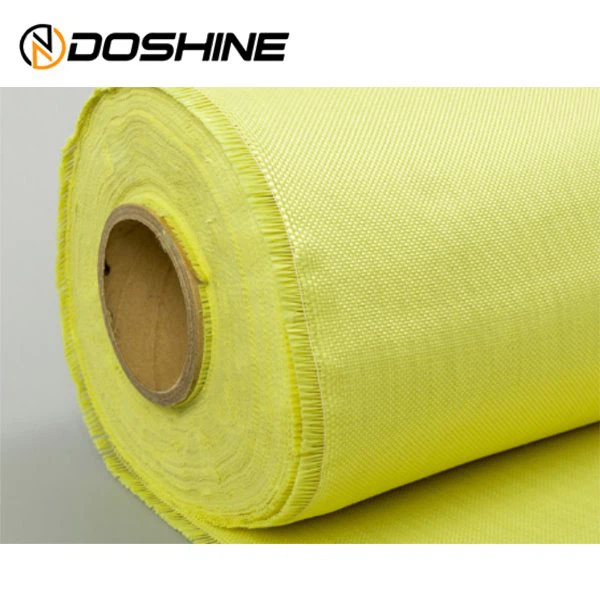


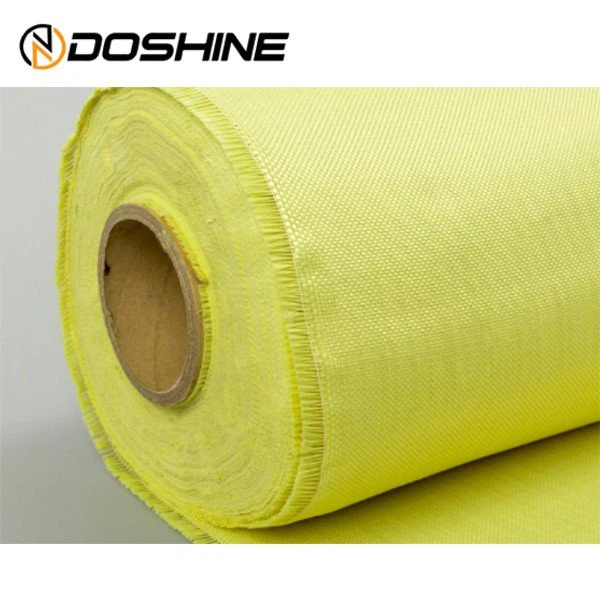
Benefits of Aramid Fiber
Because of the many benefits aramid fibers possess, they are excellent for manufacturing high-quality products required to perform in difficult or hazardous environments. Aramid fibers are versatile and valuable and are guaranteed to ensure products stand the test of time. Other benefits of aramid fibers include:
Excellent chemical and thermal stability
Aramid fibers are resistant to most chemicals and can withstand high temperatures without degradation. This makes them ideal for harsh environments and places where there is an increased risk of exposure to chemicals.
High tensile modulus & strength
Aramid fibers are well-known for their high tensile strength, the maximum amount of force a material can withstand before breaking. Aramid fibers have a higher tenacity than most other fibre materials, which is why they are essential components in the aerospace, defence, and industrial applications.
Insulation properties
Aramid fibers are also good insulators, meaning they can help to protect against heat and electrical currents.
Low density
Aramid fibers have low density, making them lighter than other materials used for similar applications. This is particularly important in aerospace and marine engineering, where reducing weight is a top priority so that vehicles can fly and sail.
Heat resistant & non-flammable
Aramids are non-flammable and won't ignite under normal circumstances. They can withstand high temperatures and don't start to break down until they hit 500 degrees, making them ideal for products used in environments where fires or explosions may occur.
Resistance to impact and damage
Highly resistant to impact and damage, aramid fibers can withstand wear and tear better than most other materials. This makes them ideal for manufacturing products that need to withstand large amounts of impact (like armour) and generally to increase the longevity of products.
Low moisture absorption
Aramid fibers absorb very little water and are less likely to be damaged by water than other materials. This is particularly important for products like ropes and cables that require low moisture absorption in wet environments or underwater applications.
Comparison of Aramid fiber and Carbon fiber
While both aramid fiber and carbon fiber are high-performance materials, they have distinct differences in terms of properties and applications. Here are some key points of comparison between aramid fiber and carbon fiber:
Definition and Properties
Aramid Fiber
● Aramid fiber is a synthetic fiber made from polyamide.
● It has exceptional strength and stiffness, which makes it suitable for applications that require impact resistance.
● Aramid fiber has a high resistance to both heat and flame, making it ideal for use in firefighting gear and protective clothing.
● It is resistant to abrasion and does not degrade easily under harsh conditions.
● Aramid fiber has a low density, allowing for lightweight structures.
Carbon Fiber:
● Carbon fiber is a composite material made from carbon atoms.
● It has a high strength-to-weight ratio and is known for its stiffness and low thermal expansion.
● Carbon fiber is used in a wide range of applications, including aerospace, automotive, and sports equipment.
● It has excellent heat resistance and can withstand high temperatures without losing its strength.
● Carbon fiber is electrically conductive and has a high resistance to chemicals and corrosion.
Strength and Stiffness
When it comes to strength and stiffness, both aramid fibers and carbon fibers are known for their exceptional properties. However, they differ in certain aspects:
Aramid Fiber
● Aramid fibers have a high tensile strength, with values typically ranging from 22.6 to 24.5cN/dtex, making them incredibly strong.
● They exhibit good resistance to external forces and can withstand high-impact loads.
● Aramid fibers have relatively lower stiffness compared to carbon fibers.
Carbon Fiber
● Carbon fibers are known for their exceptional strength-to-weight ratio.
● They offer excellent stiffness, making them highly desirable in applications that require rigidity.
● Carbon fibers are lighter and stiffer than aramid fibers, making them suitable for high-performance uses.
Aramid fiber is the core material for product. You've seen aramid fiber phone case and wireless charger, now meet aramid fiber charging cable. A charging cable has to be nonflammable, durable, and resistant to weather change, and aramid fiber is perfectly suited for this. Unlike the more common charging cables made of PVC or plastic, aramid fiber cable is more sustainable and far more exotic.
So, now you should have a pretty good idea about aramid fibers and the wide variety of products that are made from this fantastic material. Although aramid fibers cannot be penetrated by bullets, it doesn't mean you won't get hurt if the bullets were to be flying all over the place, so stay away from anything like that, seriously stay away! Batman is a superhero and whilst Aramid Fibers are also super, we would advise you to keep clear from any baddies out there, don't be a hero, be safe. The best advice I can give is to take a close look at the range of products made from Aramid Fiber, once you get a taste for the quality, the unique designs and the sheer brilliance of any of them, you will be hooked.


Aramid fibers are a class of heat-resistant and strong synthetic fibers. They are used in aerospace and military applications, for ballistic-rated body armor fabric and ballistic composites, in bicycle tires, marine cordage, marine hull reinforcement, and as an asbestos substitute. The chain molecules in the fibers are highly oriented along the fiber axis. As a result, a higher proportion of the chemical bond contributes more to fiber strength than in many other synthetic fibers.
An aramid fiber is a manufactured fiber in which the fiber-forming substance is a long-chain synthetic polyamide in which at least 85% of the amide linkages, (−CO−NH−) are attached directly to two aromatic rings. There are two types of aramid fibers namely meta-aramid fibers and para-aramid fibers, with the latter being superior in terms of technical performances.
How Thick Is Aramid Fiber
|
CST Item # |
Weight |
Thickness |
|
(oz./sq. yd.) |
(Inches) |
|
|
K111 |
1.06 |
0.003 |
|
K121 |
1.70 |
0.004 |
|
K141 |
5.00 |
0.010 |
How Do You Care for Aramid Fiber
Aramid Fiber is a high-performance material that is widely used in a variety of applications, from body armor to racing suits. While Aramid Fiber is known for its exceptional strength and durability, it is important to take proper care of it in order to maximize its lifespan and performance.
First and foremost, it is important to follow the manufacturer's instructions for cleaning and care. Different types of Aramid Fiber may require different methods of care, so be sure to check the label or contact the manufacturer for guidance. In general, Aramid Fiber should be washed in cold water with a mild detergent and hung to dry. Avoid using bleach or fabric softeners, as these can damage the fibers.
When washing Aramid Fiber, it is also important to avoid using abrasive materials or brushes. Instead, use a soft cloth or sponge to gently clean the fabric. If the cloth has any stains or spots, try to treat them as soon as possible. For oil-based stains, a solution of dish soap and warm water may be effective. For other types of stains, consult the manufacturer for advice.
In addition to washing and cleaning, it is also important to store Aramid Fiber properly. Ideally, Aramid Fiber should be stored in a cool, dry place away from direct sunlight. Avoid folding or creasing the fabric, as this can weaken the fibers over time. If possible, store Aramid Fiber on a hanger or roll it up loosely.
When using Aramid Fiber, it is important to avoid exposing it to high temperatures or flames. While Aramid Fiber is heat-resistant, prolonged exposure to high temperatures can cause the fibers to break down over time. If you are using Aramid Fiber in a high-temperature application, be sure to choose a product that is specifically designed for that use.
Finally, it is important to inspect Aramid Fiber regularly for signs of damage or wear. Look for any fraying, tears, or other signs of wear that could compromise the integrity of the fabric. If you notice any damage, replace the fabric as soon as possible.
In general, aramid fiberbody armor have a lifespan of five years before you need to replace them. While these types of body armor can be effective, one potential downside of aramid fiber armor is that it's often more prone to damage from wear and tear.
Logically, the more you wear aramid fiber, the quicker it'll degrade and need replacement. Like most body armor materials, aramid fiber and aramid should not be left in extreme cold or heat, as these temperatures can cause the armor to become damaged.
Aramid fiber also retain moisture, leading to damage. You should avoid getting aramid fiber wet if possible - be mindful of wearing aramid fiber in the rain. You should also never fully submerge kevlar armor in water to minimize the risk of moisture damage.

Aramid fiber is a type of synthetic fiber that is popularly used in various industrial applications and consumer goods. It is characterized by its exceptional strength and heat resistance, making it an ideal material for use in armor, aerospace, and other high-performance applications. However, when it comes to the texture and feel of aramid fiber, the answer is not so simple. In this article, we will explore what aramid fiber feels like and how it can be used in different products.
To start, aramid fiber is not a fabric or textile that can be touched or felt directly. Instead, it is a type of filament or yarn that is used to create fabrics or other products. Aramid fiber is known for its high strength-to-weight ratio and is commonly used in body armor, sports gear, and ropes. Aramid fiber, on the other hand, is heat-resistant and is used in protective clothing for firefighters and military personnel.
When it comes to the feel of aramid fiber, it can vary depending on the specific product or application. For example, aramid fiber body armor can feel stiff and heavy due to the multiple layers of fabric that are used to create it. However, this stiffness is necessary to provide the necessary protection against bullets or sharp objects. Aramid fiber ropes or cables also have a distinct feel - they are smooth and slippery to the touch, but also strong and durable.
Nomex-based protective clothing can feel soft and lightweight, despite its high level of heat resistance. This is due to the fact that aramid fiber fibers are thin and flexible, allowing for the creation of lightweight fabrics that still provide protection against flames and other heat sources. Aramid fiber also has a distinctive smell - it emits a slightly sweet, almost honey-like aroma when heated.
Other aramid-based products, such as brake pads or gaskets, may not have a distinct feel to them, as they are often used in conjunction with other materials or in a specific environment (such as inside a car engine). However, they do have several properties that make them ideal for these applications, such as high heat resistance and low wear and tear.
The feel of aramid fiber can vary depending on the specific product or application. However, in general, it is known for its strength, durability, and resistance to heat and wear. Whether it is used in body armor, ropes, or protective clothing, aramid fiber is a versatile material that plays an important role in many aspects of modern life.

JIAXING DOSHINE NEW MATERIAL CO., LTD. is the leading global supplier of various high performance materials. We are mainly supplying carbon fiber prducts (chopped strands, veil, cloth, and other related products), aramid fiber products, basalt fiber products, and other new materials.
These products are widely used in automobile parts, pressure vessel, hull, sports equipment, medical equipment, sound trough, friction and seal material.
2012, Doshine(Hongkong) company established, and we have our first team to service our customers which have been exporting various of materials to the oversea markets.
We also can supply a wide range of products to meet ever-changing market demands. Customized orders are welcomed. Trust us, and we will try our best to let you get a more efficient procurement.